Uncategorized

Uncategorized

Influencer Marketing: A Complete Guide for Beginners

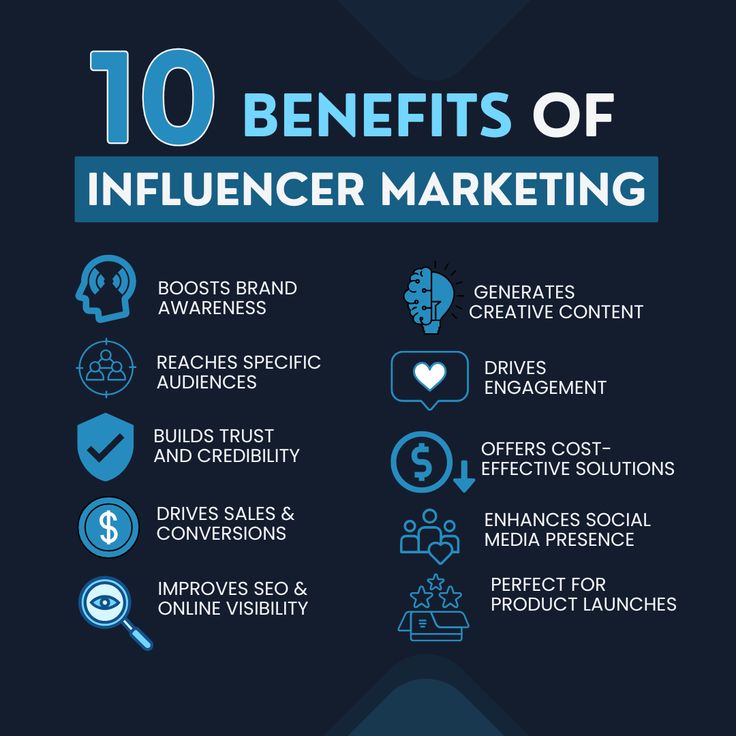
Introduction In today’s digital world, marketing has evolved far beyond traditional advertisements. People no longer trust only brand messages—they trust real people. This is where Influencer Marketing comes into play. It is one of the fastest-growing and most effective digital marketing strategies used by businesses to connect with their target audience. Influencer marketing focuses on collaborating with individuals who have a strong online presence and influence over a specific audience. These influencers help promote products or services in an authentic and relatable way, making it easier for brands to build trust and increase sales. In this blog, we will explore what influencer marketing is, how it works, its types, benefits, strategies, and tips to succeed. What is Influencer Marketing? Influencer marketing is a type of social media marketing where brands collaborate with influencers to promote their products or services. Influencers are individuals who have built a loyal audience on platforms like Instagram, YouTube, Facebook, and more. Instead of directly advertising to customers, brands partner with influencers who already have the trust of their followers. When an influencer recommends a product, it feels more genuine and relatable. Why is Influencer Marketing Important? 1. Builds Trust and Credibility Influencers have strong relationships with their followers. Their recommendations feel authentic, which helps build trust for your brand. 2. Better Audience Targeting Brands can choose influencers based on their niche (fashion, tech, fitness, etc.), ensuring they reach the right audience. 3. Increases Brand Awareness Influencers can expose your brand to a large audience, helping you grow faster. 4. Improves Conversion Rates People are more likely to buy a product recommended by someone they trust. Why is Influencer Marketing Important? 1. Builds Trust and Credibility Influencers have strong relationships with their followers. Their recommendations feel authentic, which helps build trust for your brand. 2. Better Audience Targeting Brands can choose influencers based on their niche (fashion, tech, fitness, etc.), ensuring they reach the right audience. 3. Increases Brand Awareness Influencers can expose your brand to a large audience, helping you grow faster. 4. Improves Conversion Rates People are more likely to buy a product recommended by someone they trust. Types of Influencers 1. Mega Influencers Followers: 1 million+ Usually celebrities or public figures High reach but expensive 2. Macro Influencers Followers: 100K – 1 million Good reach and engagement Suitable for brand awareness campaigns 3. Micro Influencers Followers: 10K – 100K High engagement rate Affordable and effective for small businesses 4. Nano Influencers Followers: Below 10K Very high trust and personal connection Best for local or niche marketing Types of Influencer Marketing Campaigns 1. Sponsored Posts Brands pay influencers to promote their product through posts, reels, or videos. 2. Product Reviews Influencers share honest reviews about a product, increasing credibility. 3. Giveaways and Contests Influencers host contests to engage their audience and promote your brand. 4. Affiliate Marketing Influencers earn a commission for every sale generated through their unique link. 5. Brand Ambassadors Long-term collaboration where influencers regularly promote a brand. How Influencer Marketing Works Step 1: Define Your Goals Decide what you want to achieve: Brand awareness Sales Website traffic Step 2: Identify Your Target Audience Understand who your ideal customers are. Step 3: Find the Right Influencers Choose influencers based on: Niche Engagement rate Audience demographics Step 4: Plan Your Campaign Decide the type of content and platform. Step 5: Collaborate and Execute Work with influencers to create authentic content. Step 6: Track Performance Measure results using metrics like: Likes Shares Conversions Best Platforms for Influencer Marketing 1. Instagram Best for lifestyle, fashion, and beauty brands Features: Reels, Stories, Posts 2. YouTube Ideal for product reviews and tutorials Long-form content 3. Facebook Good for reaching a broad audience 4. Twitter (X) Best for quick promotions and trends 5. LinkedIn Suitable for B2B marketing Benefits of Influencer Marketing 1. Cost-Effective Marketing Compared to traditional advertising, influencer marketing can deliver better ROI. 2. Authentic Content Influencers create relatable content that connects with audiences. 3. Boosts SEO and Online Presence More mentions and backlinks improve your website visibility. 4. Increases Engagement Influencer content gets more likes, comments, and shares. Challenges of Influencer Marketing 1. Finding the Right Influencer Not all influencers are suitable for your brand. 2. Fake Followers Some influencers may have fake audiences, reducing campaign effectiveness. 3. High Costs Top influencers can be expensive. 4. Measuring ROI Tracking exact results can be difficult. Influencer Marketing Strategy 1. Set a Budget Decide how much you can invest in influencer campaigns. 2. Choose the Right Influencers Focus on engagement, not just follower count. 3. Create Clear Guidelines Provide instructions but allow creative freedom. 4. Focus on Long-Term Relationships Working with influencers regularly builds stronger trust. 5. Use Data and Analytics Track performance and improve future campaigns. Tips for Successful Influencer Marketing Choose influencers who align with your brand values Focus on engagement rate instead of followers Build genuine relationships with influencers Use storytelling in campaigns Track and analyze campaign performance Avoid over-promotional content Future of Influencer Marketing Influencer marketing is continuously growing and evolving. Some key trends include: 1. Rise of Nano and Micro Influencers Brands are focusing more on smaller influencers for better engagement. 2. Video Content Dominance Short videos (Reels, Shorts) are becoming more popular. 3. AI and Data Analytics Brands are using advanced tools to find the right influencers. 4. Authenticity Over Perfection Audiences prefer real and honest content over polished ads. Conclusion Influencer marketing has become a powerful tool for businesses to connect with their audience in a more personal and authentic way. By collaborating with the right influencers, brands can build trust, increase awareness, and drive sales effectively. Whether you are a small business or a large company, influencer marketing can help you grow if done correctly. Focus on building genuine relationships, creating valuable content, and continuously analyzing your performance. If you use the right strategy, influencer marketing can take your brand to the next level in today’s competitive digital world.

Uncategorized

What is Search Engine Marketing (SEM) / Pay-Per-Click (PPC)? – Complete Beginner to Advanced Guide

Introduction In today’s digital world, every business wants to appear on the first page of search engines like Google. But with millions of websites competing for attention, ranking organically can take time. This is where Search Engine Marketing (SEM) and Pay-Per-Click (PPC) come into play. SEM is one of the fastest and most effective ways to drive targeted traffic to your website. Whether you are running an e-commerce store, a service-based business, or a blog, SEM can help you reach your ideal audience instantly. In this detailed guide, you will learn everything about SEM and PPC in simple and easy language — from basics to strategies. What is Search Engine Marketing (SEM)? Search Engine Marketing (SEM) is a digital marketing strategy used to increase website visibility in search engine results pages (SERPs) through paid advertising. Unlike SEO (Search Engine Optimization), which focuses on organic traffic, SEM involves paying for ads to appear at the top of search results. The most popular SEM platform is Google Ads, where businesses bid on keywords to show their ads when users search for specific terms. Example of SEM When you search for something like: 👉 “Best shoes online”👉 “Digital marketing course near me” You will see results marked as “Ad” at the top. These are SEM results. What is Pay-Per-Click (PPC)? Pay-Per-Click (PPC) is a type of online advertising where advertisers pay only when someone clicks on their ad. It is a major part of SEM and works on a bidding system.   Simple Definition 👉 PPC = You pay only when someone clicks your ad👉 SEM = Overall strategy of using paid search ads mattis, pulvinar dapibus leo. Difference Between SEM and PPC Feature SEM PPC Meaning Overall marketing strategy Advertising model Scope Broad (includes PPC) Narrow (part of SEM) Focus Search engine visibility Click-based payments Example Google Ads campaigns CPC (Cost per Click) ads How SEM Works (Step-by-Step) 1. Keyword Research Everything starts with keywords. These are the words users type into search engines. Example: “Buy laptop online” “Best digital marketing agency” You select keywords based on: Search volume Competition User intent 2. Ad Creation You create ads that include: Headline Description URL The goal is to attract users to click your ad. 3. Bidding Process Advertisers bid on keywords. Higher bids increase chances of appearing on top. But it’s not just about money — quality matters too. 4. Ad Auction Search engines run an auction to decide: Which ad appears In what position This depends on: Bid amount Quality Score Ad relevance 5. User Click When someone clicks your ad, you pay a certain amount — this is called Cost Per Click (CPC). Types of SEM Ads 1. Search Ads These appear on search engine results pages. 👉 Example: Text ads on Google search 2. Display Ads These are banner ads shown on websites. 👉 Example: Ads on blogs or news sites 3. Shopping Ads Used by e-commerce businesses to display products with images and prices. 4. Video Ads Shown on platforms like YouTube. 5. Remarketing Ads These target users who have already visited your website. Key Components of PPC Campaign 1. Keywords Choose the right keywords for targeting. Types: Broad match Phrase match Exact match 2. Ad Copy Your ad must be: Clear Engaging Action-oriented Example:👉 “Buy Now”👉 “Get 50% Discount Today” 3. Landing Page After clicking the ad, users land on your page. A good landing page should: Load fast Be mobile-friendly Have clear CTA (Call-to-Action) 4. Quality Score Google gives a score based on: Ad relevance CTR (Click Through Rate) Landing page quality Higher score = Lower cost + Better ranking Advantages of SEM / PPC 1. Instant Results Unlike SEO, SEM gives immediate visibility. 2. Targeted Audience You can target users based on: Location Age Device Interests 3. Budget Control You can: Set daily budget Pause campaigns anytime 4. Measurable Results You can track: Clicks Conversions ROI 5. Brand Visibility Even if users don’t click, they still see your brand. Disadvantages of SEM / PPC 1. Costly Highly competitive keywords can be expensive. 2. Temporary Results Traffic stops when you stop paying. 3. Requires Skill You need proper knowledge to run profitable campaigns. SEM vs SEO (Important Comparison) Feature SEM SEO Cost Paid Free (organic) Time Instant Long-term Traffic Immediate Slow but steady Control High Limited ROI Quick Sustainable Best Platforms for SEM / PPC 1. Google Ads Most popular platform Huge audience reach Advanced targeting 2. Microsoft Advertising Ads on Bing search engine Lower competition 3. Meta Ads Social media advertising Highly targeted audience 4. Amazon Ads Best for product-based businesses Important PPC Metrics You Must Know 1. CPC (Cost Per Click) Amount you pay per click. 2. CTR (Click Through Rate) Percentage of users who click your ad. Formula:CTR = (Clicks / Impressions) × 100 3. Conversion Rate Percentage of users who complete an action. 4. ROI (Return on Investment) Profit you earn from ads. 5. Impressions Number of times your ad is shown. How to Create a Successful PPC Campaign Step 1: Set Clear Goals Decide your goal: Sales Leads Website traffic Step 2: Choose Right Keywords Use tools like: Google Keyword Planner Ubersuggest Step 3: Write Attractive Ads Focus on: Benefits Offers Urgency Step 4: Optimize Landing Page Ensure: Fast loading Mobile-friendly design Clear CTA Step 5: Monitor & Improve Check performance regularly and optimize. Common Mistakes in SEM / PPC 1. Wrong Keyword Selection Choosing irrelevant keywords wastes money. 2. Ignoring Negative Keywords Avoid showing ads for unwanted searches. 3. Poor Ad Copy Unclear ads reduce clicks. 4. Weak Landing Page Bad user experience lowers conversions. 5. Not Tracking Performance Without data, you cannot improve. Future of SEM and PPC SEM is constantly evolving with: AI-based automation Voice search Smart bidding Search engines are becoming smarter, and advertisers must adapt to new trends. Conclusion Search Engine Marketing (SEM) and Pay-Per-Click (PPC) are powerful tools for growing your online business quickly. While SEO is important for long-term success, SEM provides immediate results

Uncategorized

What is Email Marketing? A Complete Beginner’s Guide

Introduction In today’s digital world, businesses are always looking for smart and cost-effective ways to connect with their audience. One of the most powerful and reliable methods is email marketing. Even with the rise of social media and other marketing platforms, email marketing remains one of the best ways to reach customers directly. Email marketing is not just about sending promotional messages—it is about building relationships, increasing trust, and growing your business over time. Whether you are a beginner, a small business owner, or a digital marketer, understanding email marketing can help you achieve better results. In this blog, you will learn what email marketing is, how it works, its types, benefits, and how to start it step by step in simple and easy language. What is Email Marketing? Email marketing is a digital marketing strategy where businesses send emails to a group of people to promote products, services, or share valuable information. These emails can include: Promotional offers Newsletters Updates Educational content Product launches The main goal of email marketing is to build a connection with your audience and encourage them to take action, such as buying a product, visiting a website, or signing up for a service. Why is Email Marketing Important? Email marketing is important because it allows businesses to communicate directly with their audience. Unlike social media, where your reach depends on algorithms, emails go straight to the user’s inbox. Key Reasons Why Email Marketing Matters: Direct Communication: You can talk directly to your audience. Cost-Effective: It is cheaper than many other marketing methods. High ROI: Email marketing gives a high return on investment. Personalization: You can send personalized messages. Customer Retention: Helps in building long-term relationships. How Does Email Marketing Work? Email marketing works in a simple process. Let’s understand step by step: 1. Build an Email List First, you need a list of people who are interested in your business. You can collect emails through: Website sign-up forms Landing pages Free offers (like ebooks or discounts) 2. Choose an Email Marketing Tool Use tools like Mailchimp, ConvertKit, or others to manage your email campaigns. 3. Create Valuable Content Write emails that are useful, interesting, and relevant to your audience. 4. Send Emails Send emails at the right time to your subscribers. 5. Analyze Results Check performance like: Open rate Click rate Conversion rate Types of Email Marketing Email marketing is not just one type. There are different types based on purpose. 1. Promotional Emails These emails are used to promote products, services, or offers. Examples: Discount offers Sale announcements Product launches 2. Newsletter Emails Newsletters are regular emails sent to keep your audience informed. Content Includes: Tips and guides Company updates Blog posts 3. Welcome Emails These emails are sent when someone subscribes to your email list. Purpose: Introduce your brand Build trust Give a good first impression 4. Transactional Emails These emails are sent after a user action. Examples: Order confirmation Payment receipt Shipping updates 5. Drip Campaigns Drip campaigns are a series of emails sent automatically over time. Example: A 5-day email course Onboarding emails Benefits of Email Marketing Email marketing offers many advantages for businesses. 1. Low Cost You don’t need a big budget to start email marketing. 2. High Return on Investment (ROI) Email marketing can generate more profit compared to other channels. 3. Targeted Audience You can send emails to specific groups based on: Age Location Interests 4. Easy to Measure You can track results easily using analytics. 5. Builds Customer Loyalty Regular emails help you stay connected with your audience. Key Elements of a Successful Email To create a successful email, you need to focus on some important elements. 1. Subject Line This is the first thing users see. Tips: Keep it short Make it interesting Use action words 2. Email Content Your message should be: Clear Simple Valuable 3. Call to Action (CTA) Tell users what to do next. Examples: Buy Now Learn More Sign Up 4. Design and Layout Make your email: Mobile-friendly Easy to read Visually attractive Best Practices for Email Marketing To get better results, follow these best practices: 1. Build a Quality Email List Don’t buy email lists. Always collect emails ethically. 2. Personalize Emails Use the subscriber’s name and preferences. 3. Send Emails at the Right Time Test different times to see what works best. 4. Avoid Spam Don’t send too many emails or misleading content. 5. Optimize for Mobile Most people check emails on their phones. Common Mistakes to Avoid Many beginners make mistakes in email marketing. Avoid these: 1. Sending Too Many Emails This can annoy users and increase unsubscribe rate. 2. Ignoring Analytics Not checking results means you don’t improve. 3. Poor Subject Lines If the subject line is weak, people won’t open your email. 4. Not Providing Value Always give useful content, not just promotions. Tools for Email Marketing Here are some popular tools you can use: Mailchimp ConvertKit GetResponse Aweber ActiveCampaign These tools help you: Design emails Manage subscribers Track performance Step-by-Step Guide to Start Email Marketing If you are a beginner, follow this simple guide: Step 1: Define Your Goal Decide what you want: Sales Traffic Leads Step 2: Build Your Email List Use: Sign-up forms Free offers Step 3: Choose a Tool Select an email marketing platform Step 4: Create Content Write useful and engaging emails. Step 5: Send and Test Start sending emails and test different strategies. Step 6: Analyze and Improve Check results and improve your emails. Future of Email Marketing Email marketing is growing and becoming smarter with technology. Trends to Watch: Automation AI-based personalization Interactive emails Better targeting Even in the future, email marketing will remain one of the most important digital marketing strategies. Conclusion Email marketing is a powerful and effective way to connect with your audience, promote your business, and increase sales. It is simple, affordable, and gives great results when done correctly. By understanding the basics, using the right tools, and following best practices, anyone can succeed

Scroll to Top