
Introduction
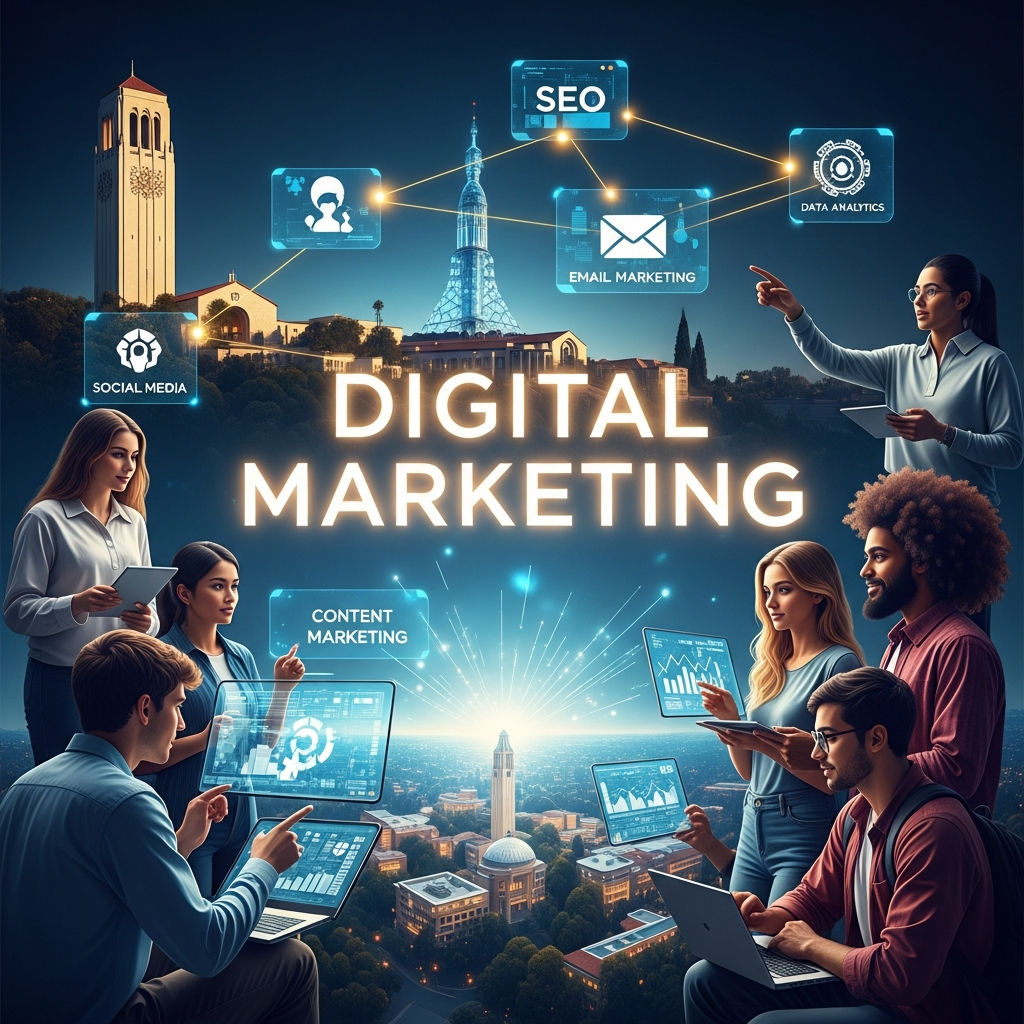
In the modern world, the internet has become an important part of our daily life. People use the internet to search for information, communicate with friends, watch videos, and buy products online. Because of this change, businesses are also using the internet to promote their products and services. This new way of promotion is called digital marketing.
Digital marketing helps businesses reach their customers through online platforms. Instead of using traditional marketing methods like newspapers, TV, or billboards, businesses now promote their products through websites, social media, emails, and search engines like Google.
For beginners, digital marketing may look complicated, but it is actually simple to understand. With the right strategy and tools, any business can grow online using digital marketing. In this guide, we will learn what digital marketing is, why it is important, and the different methods used in digital marketing.
What is Digital Marketing?
Digital marketing is the process of promoting products or services using digital platforms such as websites, search engines, social media, email, and mobile applications.
In simple words, digital marketing means marketing your business on the internet.
Businesses use digital marketing to:
Reach a larger audience
Promote their brand
Attract potential customers
Increase website traffic
Generate leads and sales
Unlike traditional marketing, digital marketing allows businesses to connect directly with their audience and track results easily.
Why is Digital Marketing Important?
Digital marketing has become essential for businesses of all sizes. Whether it is a small startup or a large company, everyone uses digital marketing to grow their business.
1. Global Reach
One of the biggest advantages of digital marketing is that it allows businesses to reach customers all around the world. A small business can sell products internationally through online platforms.
2. Cost-Effective Marketing
Digital marketing is more affordable than traditional marketing. Businesses can start marketing campaigns with a small budget and still reach thousands of people.
3. Targeted Audience
Digital marketing allows businesses to target specific audiences based on age, location, interests, and behavior.
4. Measurable Results
With digital marketing tools, businesses can measure their marketing performance. They can track clicks, website traffic, engagement, and sales.
5. Better Customer Interaction
Digital platforms allow businesses to communicate directly with customers through comments, messages, and emails.
Types of Digital Marketing
Digital marketing includes different strategies and channels that help businesses reach their audience.
1. Search Engine Optimization (SEO)
What is SEO?
SEO stands for Search Engine Optimization. It is the process of improving a website so it appears higher in search engine results.
When people search for something online, they usually use search engines like Google. SEO helps websites appear in those search results.
How SEO Works
SEO works by optimizing website content, improving website structure, and using the right keywords.
Important parts of SEO include:
Keyword research
High-quality content
Website speed
Backlinks
Mobile-friendly design
SEO helps increase organic traffic without paying for ads.
2. Social Media Marketing (SMM)
What is Social Media Marketing?
Social media marketing is the process of promoting a business through social media platforms such as Facebook, Instagram, and YouTube.
Businesses share posts, images, videos, and stories to attract customers.
Benefits of Social Media Marketing
Increases brand awareness
Builds customer relationships
Improves engagement
Promotes products and services
Social media marketing helps businesses reach millions of users worldwide.
3. Content Marketing
What is Content Marketing?
Content marketing focuses on creating valuable and helpful content to attract customers.
Instead of directly selling products, businesses provide useful information to their audience.
Examples of Content Marketing
Common forms of content marketing include:
Blog articles
Videos
Infographics
Tutorials
E-books
Content marketing builds trust and helps businesses become experts in their industry.
4. Email Marketing
What is Email Marketing?
Email marketing is the process of sending emails to customers to promote products or share useful information.
Businesses collect email addresses from customers and send them newsletters, updates, and promotional offers.
Benefits of Email Marketing
Direct communication with customers
Personalized marketing
High return on investment
Strong customer relationships
Email marketing is one of the oldest but still very effective digital marketing strategies.
5. Pay-Per-Click Advertising (PPC)
What is PPC Advertising?
PPC is a type of online advertising where businesses pay each time someone clicks on their advertisement.
These ads appear on search engines and social media platforms.
Advantages of PPC
Instant website traffic
Targeted audience reach
Quick results
PPC is useful for businesses that want immediate visibility and leads.
6. Affiliate Marketing
What is Affiliate Marketing?
Affiliate marketing is a strategy where businesses partner with individuals or websites to promote their products.
Affiliates earn a commission for each sale made through their referral link.
This method helps businesses increase sales without spending large amounts on advertising.
How Digital Marketing Works
Digital marketing works through a series of planned steps.
Step 1: Identify Your Target Audience
Businesses must first understand who their customers are and what they need.
Step 2: Choose the Right Marketing Channels
Different channels work for different goals. Businesses choose platforms like SEO, social media, or email marketing depending on their audience.
Step 3: Create Valuable Content
Content should be helpful, informative, and engaging.
Step 4: Promote Your Content
Businesses promote their content through social media, advertisements, and email campaigns.
Step 5: Analyze and Improve
Marketing results are analyzed using analytics tools, and strategies are improved based on performance.
Benefits of Digital Marketing
Digital marketing offers many advantages for businesses.
1. Increased Online Visibility
Businesses become more visible to potential customers.
2. Better Customer Engagement
Customers can interact with brands through social media and websites.
3. Higher Conversion Rates
Targeted marketing increases the chances of converting visitors into customers.
4. Brand Growth
Consistent marketing builds a strong brand identity.
Common Digital Marketing Mistakes
Beginners often make mistakes when starting digital marketing.
Some common mistakes include:
Not having a clear marketing strategy
Ignoring SEO
Posting inconsistent content
Focusing only on selling products
Not tracking marketing performance
Avoiding these mistakes helps businesses achieve better results.
Tips for Beginners in Digital Marketing
If you are new to digital marketing, these tips can help you start successfully.
Learn the basics of SEO and social media marketing.
Create helpful and informative content.
Post regularly on digital platforms.
Focus on building trust with your audience.
Track your marketing results and improve strategies.
Digital marketing is a skill that improves with practice and learning.
Conclusion
Digital marketing has become one of the most powerful ways for businesses to promote their products and services online. It allows businesses to reach a global audience, build strong customer relationships, and increase sales.
Different strategies such as SEO, social media marketing, content marketing, email marketing, and PPC advertising work together to create successful digital marketing campaigns.
For beginners, the key to success is learning the basics, creating valuable content, and staying consistent with marketing efforts. As technology continues to grow, digital marketing will become even more important for businesses in the future.
With the right knowledge and strategy, digital marketing can help any business grow and succeed in the online world. 🚀